Equipment Financing and Leasing
How Equipment Sale-Leasebacks Work: A Guide to Unlocking Capital
Equipment Financing and Leasing
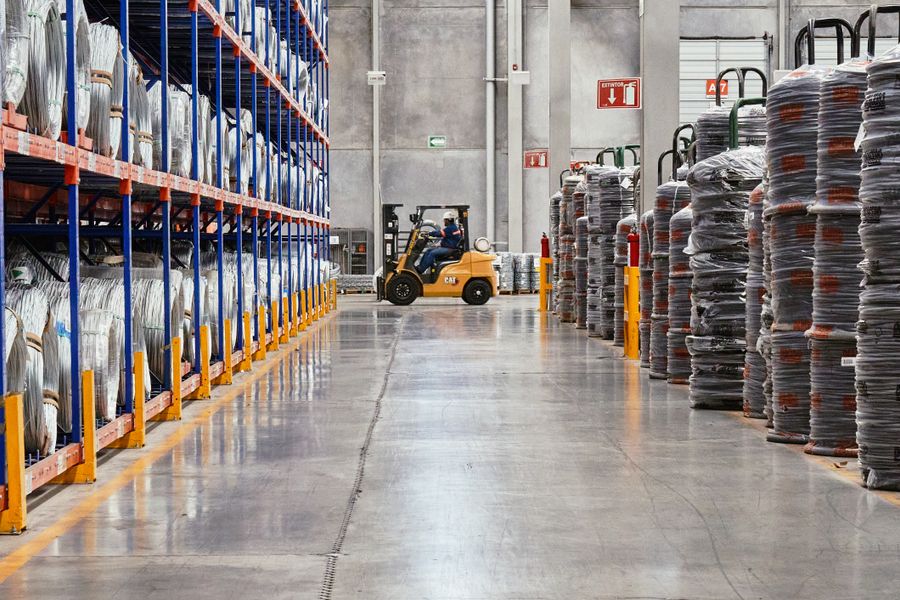
Significant capital often sits in equipment an organization already owns and uses every day, such as production lines, material handling fleets, imaging systems, or server infrastructure. The usual ways to access that value come with tradeoffs: selling it outright can disrupt operations, and borrowing against it adds debt. An equipment leaseback offers another route, releasing capital while the equipment stays in service. This guide explains how it works, what it frees up, what changes for the business, and when it fits a capital plan.
What Is an Equipment Sale-Leaseback?
In an equipment sale-leaseback, a business sells equipment it owns to a lessor and leases it back, so the equipment stays in operation while its value becomes cash. The business transfers ownership to the lessor but keeps using the equipment under a lease, paying for that use over a defined term.
That sets it apart from a standard lease, where a business acquires equipment it doesn't yet own. (For a primer on that structure, see how equipment leasing works.) A sale-leaseback starts with equipment already on the floor. A manufacturer that owns its CNC machining centers outright, for example, could sell them to a lessor, put the proceeds toward a plant expansion, and keep machining parts on the same equipment under a lease.
It is best evaluated as a capital allocation decision rather than a financing of last resort. The question is whether the capital held in an asset would do more work elsewhere in the organization than it does sitting in the equipment.
How a Sale-Leaseback Works
A leaseback works by turning equipment the business owns into cash through a sale, then returning that equipment to the business under a lease. In an equipment leaseback program, the process generally follows five steps, though terms vary by program.
- The equipment is identified and valued. The business and the lessor agree on which equipment is included, and its value is established, often through an independent appraisal.
- The lessor purchases it, and the business receives the proceeds. Any existing lien on the equipment is typically settled at this point.
- The business signs a lease for the same equipment. The lease sets the payments and the term.
- Operations continue without interruption. The equipment stays in place with the business and in service, with maintenance responsibilities set out in the agreement.
- At the end of the term, the agreement determines the options. These may include renewing, repurchasing, or returning the equipment. How a repurchase is priced varies by agreement, and this explanation of FMV leases shows how fair market value typically comes into play.
Because the equipment itself doesn't move, the change is mostly financial and contractual rather than operational.
Benefits of Equipment Leasebacks for Capital Planning
With the mechanics clear, here is what the structure is typically used to accomplish.
- Liquidity from an asset that's already in place: Equipment that is already earning its keep can release capital without being taken out of service or replaced. The cash value in a fleet of forklifts becomes available while the forklifts keep running.
- Capital for a specific priority: Proceeds can fund a defined goal, such as a facility expansion, a technology upgrade, an acquisition, or retiring higher-cost debt. Naming the priority first makes it easier to judge whether the trade is worth it.
- Continuity of operations: Production lines keep running, clinical teams keep using their imaging systems, and crews keep working with the same machines.
- Payments set at the start: The lease defines the payment and the term upfront, which makes the cost easier to plan around and to compare with other uses of the capital.
- Defined end-of-term options: The agreement spells out whether the business can renew, repurchase, or return the equipment, so the end of the term is part of the plan from the beginning.
What You Give Up and What You Keep
A sale-leaseback is a trade, and it helps to see both sides of it:
- What changes: The business no longer owns the equipment or its future resale value. Lease payments replace the capital released, so the total cost over the term should be weighed against what that capital earns elsewhere. The end-of-term terms matter as well, including any repurchase price and return conditions.
- What stays the same: The business keeps using the same equipment, with no disruption to operations.
To see how this option fits alongside others, explore Broadleaf's equipment financing solutions.
Sale-Leaseback vs. Borrowing Against Your Equipment
Both approaches turn owned equipment into capital, but they work differently:
The key difference is ownership. It transfers to the lessor in a sale-leaseback and stays with the business in a loan. That is why a sale-leaseback is structured as a sale and a lease, not as a loan. For a wider look at how leasing and financing compare, see this guide to equipment leasing vs. financing.
When a Sale-Leaseback Fits a Capital Plan
Whether a sale-leaseback is a good idea depends on the situation. It tends to fit when:
- The organization owns significant equipment it expects to keep using.
- It has a higher-value use for the capital than leaving it in the equipment.
- It's comfortable giving up ownership in return.
- It has defined end-of-term terms in mind.
It tends to fit less well when equipment is near the end of its useful life, since there is less value to release and less to keep using, or when resale value or ownership is central to the plan. If your business expects to sell a machine in two years or values owning it outright, a sale-leaseback may not be the right path.
Equipment-heavy sectors often have the most to evaluate, including construction, material handling and automation, healthcare, and IT, where owned equipment is central to daily work and capital is often needed elsewhere.
Evaluate What Your Owned Equipment Could Free Up
A sale-leaseback is one of several structures for putting capital tied up in owned equipment to work. If you're weighing that question, talk with Broadleaf about what fits your equipment and your plans.
Let's Discuss Your Financing Strategy
Tell us about the equipment and timeline you're working with, and we'll help you find the right structure.
Talk to Our Team
Read more from us







Let’s talk
Interested in working with our team? Reach out to start the conversation.