Industry Insights
Finance Leases for Technology: A Strategy for Budget Flexibility
Industry Insights
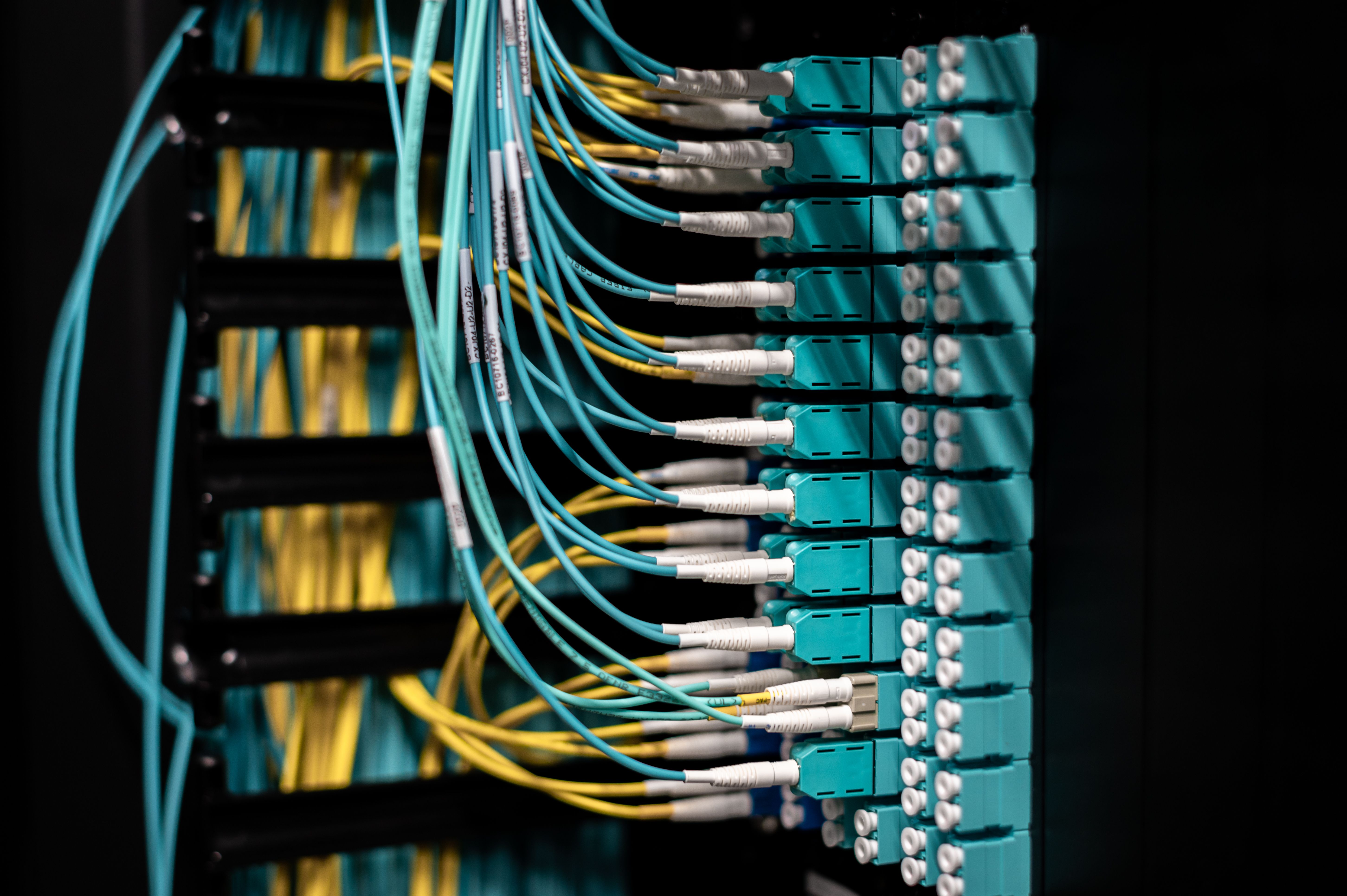
Major technology, such as servers, networking infrastructure, and enterprise hardware, often constitute a significant investment. A finance lease is one way to fund them without paying the full cost upfront, using a structure built much like a purchase made over time. This guide explains how a finance lease works for technology, its benefits and tradeoffs, and how it compares with an FMV lease, where the end-of-term decision stays open. The goal is to help procurement, finance, and technology stakeholders match a financing structure to their business needs.
Understanding Technology Equipment Leasing
A finance lease for technology is a lease structured much like a purchase. The business pays for the equipment over a defined term, takes on substantially the economic benefits and responsibilities of owning it, and typically ends up owning it through a purchase option, a fixed or nominal buyout, or a transfer of ownership at the end of the term. You may also see this called a capital lease, which is an older term but refers to the same thing.
That also answers a common question: who owns the equipment in a finance lease? During the term, the lessor often holds legal title while the business uses, maintains, and insures the equipment as if it were its own. Ownership typically passes to the business at the end, depending on the agreement.
Businesses use finance leases to spread the cost of technology across a defined term, for categories including:
- Servers and data center equipment
- Networking infrastructure
- Computers and enterprise hardware
- Automation and technology systems
- Other capital-intensive technology deployments
Under ASC 842, leases are classified as finance or operating leases based on their terms, and that classification affects how a lease is reported. Terminology and accounting treatment can vary, so always review the specific agreement and consult your accounting or tax advisors.
How Leasing IT and Technology Works
At a practical level, a technology lease follows a consistent process from equipment selection through the end of the term. (For the broader picture, see how equipment leasing works.)
- The business identifies the technology or project it needs to fund.
- The lessor purchases or funds the equipment on the business's behalf.
- The business makes scheduled payments over an agreed-upon term
- The contract defines each party's responsibilities during the term, along with how the lease is treated once it ends.
- Ownership or purchase rights at the end depend on the lease structure. A finance lease typically points toward ownership, while other structures leave that decision open.
Before signing, what matters most is less the accounting mechanics and more what the contract commits the business to: the payment schedule, what happens if needs change mid-term, and how ownership or disposal is handled at the end.
What Happens at the End of a Finance Lease for Technology
The end of a finance lease usually points toward keeping the equipment, through a purchase option, often at a fixed or nominal price set at signing, or through an extension of the agreement. Return or upgrade options apply only where the contract specifically allows them. Absent that language, the default path is ownership, which for technology also means handling equipment that may be nearing the end of its useful life.
Benefits of Leasing Technology Equipment
The business case isn't just avoiding a large upfront purchase. It's spreading a major investment over a defined term and fixing what the business pays each period.
1. Preserve Capital for Other Business Priorities
Spreading the investment across the lease term, rather than absorbing the full cost at once, keeps cash available for hiring, expansion, and other capital projects.
2. Create More Predictable Technology Costs
Fixed, scheduled payments make budgeting and forecasting easier than a large one-time outlay. Because the payment schedule and end-of-term terms are set in the contract, future costs are easier to anticipate.
3. Acquire Technology Without Delaying Deployment
Needed infrastructure doesn't always line up with when capital becomes available. Leasing lets an organization move forward when the deployment is needed, rather than waiting for more budget to become available.
Considerations for Technology Finance Leases
A finance lease isn't inherently risky, but it carries tradeoffs:
- Long-term payment commitments: Payments continue for the full term, even if the business's needs or priorities shift partway through.
- Technology becoming obsolete before the term ends: Because a finance lease points toward ownership, a business that outlasts the equipment's competitive life is left holding technology it has already outgrown.
- Less flexibility to replace equipment: Depending on the contract, swapping equipment mid-term may not be straightforward or may add cost.
- End-of-term costs or obligations: Purchase prices, fees, and conditions should be understood upfront rather than discovered at term-end.
- Total cost over the lease term: It's worth evaluating the full cost across the term, not just the size of each payment.
- Restrictions around modifications, returns, or early termination: Contracts vary in how much flexibility they allow if the business needs to change course before the term ends.
- Misalignment between lease duration and technology refresh cycle: This matters most for technology. A term set without regard to how quickly equipment ages can leave a business trapped in a structure that no longer works for them. The next section covers a leasing structure built for that situation.
Finance Lease vs. FMV Lease for Technology
A finance lease isn't the only way to lease technology. In a fair market value (FMV) lease, the business pays to use the equipment over a defined term, then chooses at the end whether to purchase it at fair market value, return it, or renew. Because the business isn't committing to buy the equipment, payments generally reflect the portion of its value used during the term rather than its full cost. The difference comes down to the end of the term, which matters most when technology ages quickly.
Neither structure is better overall. A finance lease suits technology the organization plans to keep, while an FMV lease suits technology likely to be refreshed. A closer look at how FMV leases work and what to expect at lease end covers how end-of-term pricing and options are handled.
If you're weighing leasing against loan-based financing, this guide to equipment leasing vs. financing walks through that comparison in more detail.
Use Cases for Leasing Technology Equipment
A finance lease tends to be worth considering when several of the following apply:
- The technology will remain useful for most or all of the lease term
- The company expects to keep the equipment long term
- Predictable payments are important for budgeting and forecasting
- Preserving cash or borrowing capacity is a priority
- The organization has a clear plan for the equipment at the end of the term
If the technology is likely to be refreshed before the term would end, an FMV structure may fit better.
See How a Lease Fits Your IT and Technology Procurement Strategy
The right structure comes down to your planning horizon: how long the equipment will actually stay useful, and whether you expect to keep it or replace it. Broadleaf structures technology financing, primarily through FMV leases, around the equipment's real lifecycle rather than a one-size-fits-all term, with return, renew, or buy options defined upfront, and finances complete projects, including soft costs. If you're planning a technology investment and want to talk through the structure that fits, get in touch.
Let's Discuss Your Financing Strategy
Tell us about the equipment and timeline you're working with, and we'll help you find the right structure.
Talk to Our Team
Read more from us








Let’s talk
Interested in working with our team? Reach out to start the conversation.